View Mount Tambora Human Impact Pictures. Apart from killing tens of thousands of people and plunging south. On april 10, 1815, mount tambora produced one of the largest eruptions in recorded history, spewing so much ash into the atmosphere that it caused global cooling.
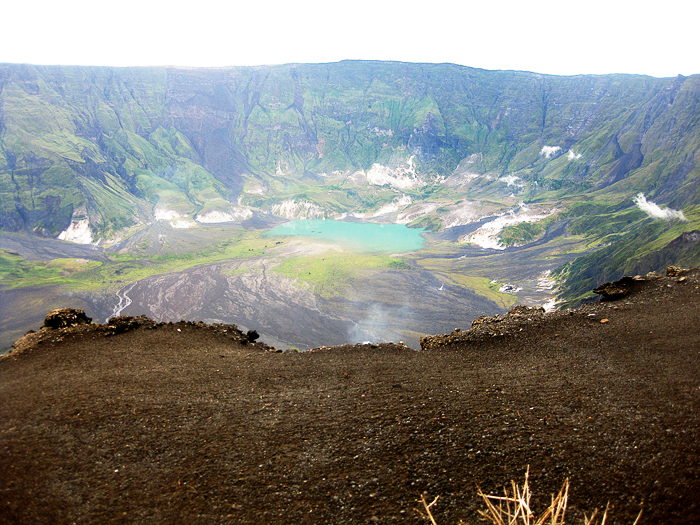
When indonesia's mount tambora erupted in 1815, it unleashed the most destructive wave of extreme weather the world has witnessed in thousands of years.
When indonesia's mount tambora erupted in 1815, it unleashed the most destructive wave of extreme weather the world has witnessed in thousands of years. By the summer of 1816, the eruption of mount tambora, on the island of sumbawa, indonesia, had decreased temperatures in the northern hemisphere by an average of 0.53 degrees, resulting in approximately 75,000 human deaths and the 'year without a summer'. Mount tambora was the largest volcanic eruption of 19th century. Its eruption in 1815 is the most powerful volcanic eruption in recorded history and is considered one of the greatest natural disasters ever to befall mankind.