47+ Mount Tambora 1815 Eruption Energy Background. Mount tambora is an active volcano on the island of sumbawa in indonesia. The 1815 eruption of mount tambora was the most powerful volcanic eruption in recorded human history, with a volcanic explosivity index (vei) of 7.
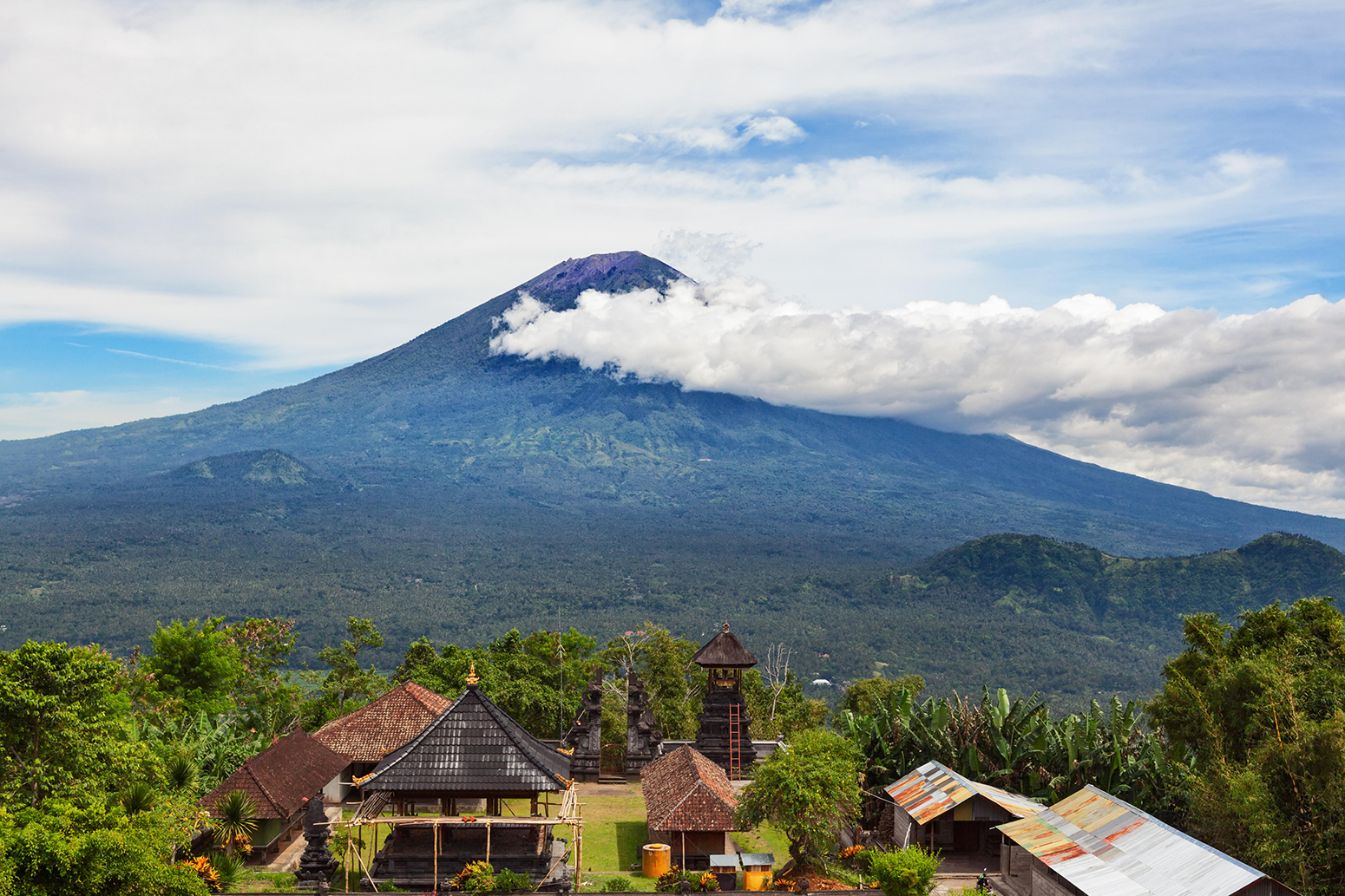
Before the april 1815 eruption, tambora had been dormant for over a thousand years, awakening in 1812.
The climatic effects are evaluated in terms of air. With the cataclysmic eruption during the evening of april 10, 1815, the entire shape of the mountain changed. It is estimated that the eruption produced 160 cubic kilometres of magma. Its eruption in 1815 is the most powerful volcanic eruption in recorded history and is considered one of the greatest natural disasters ever to befall mankind.